Program Schedule
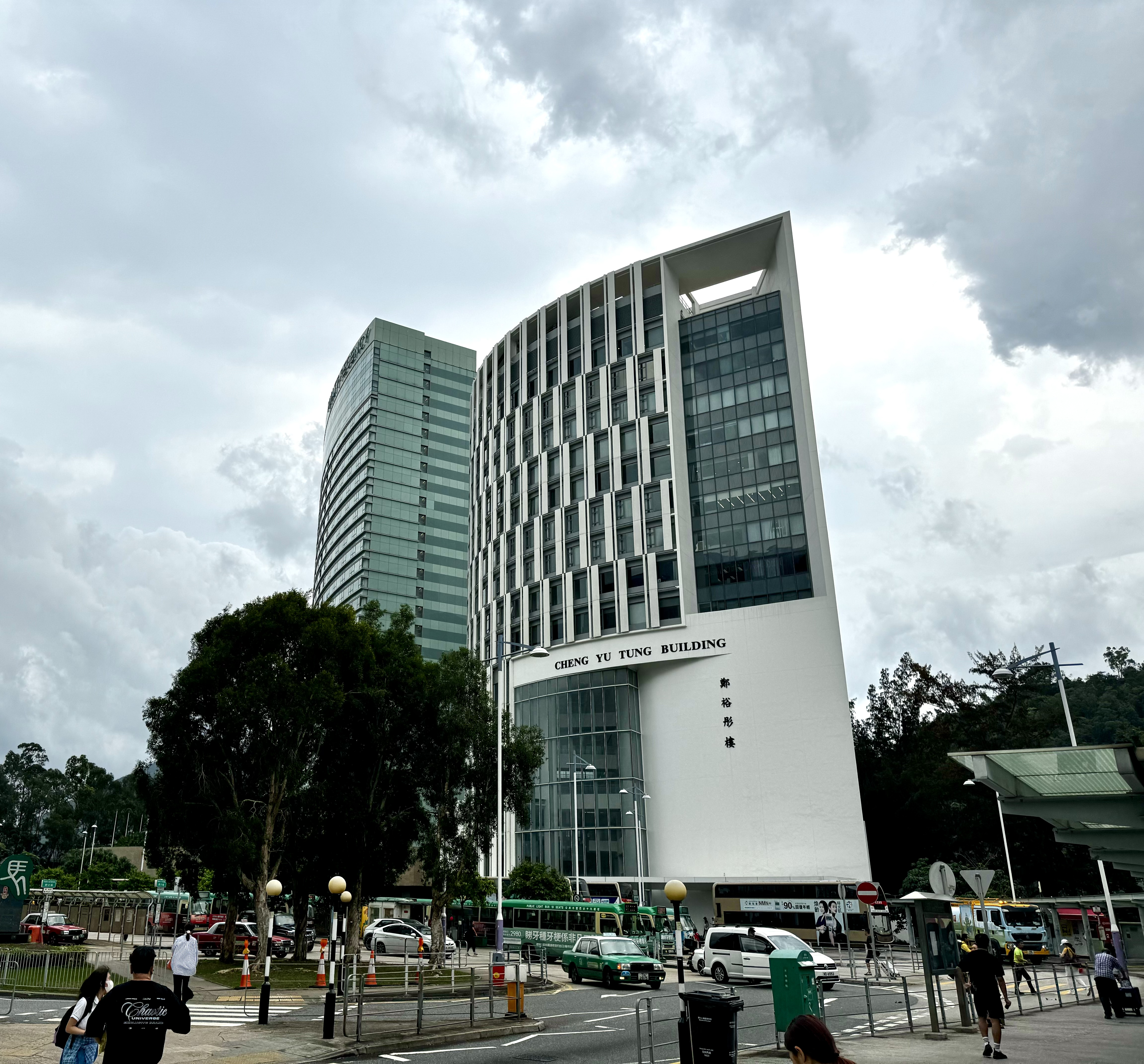
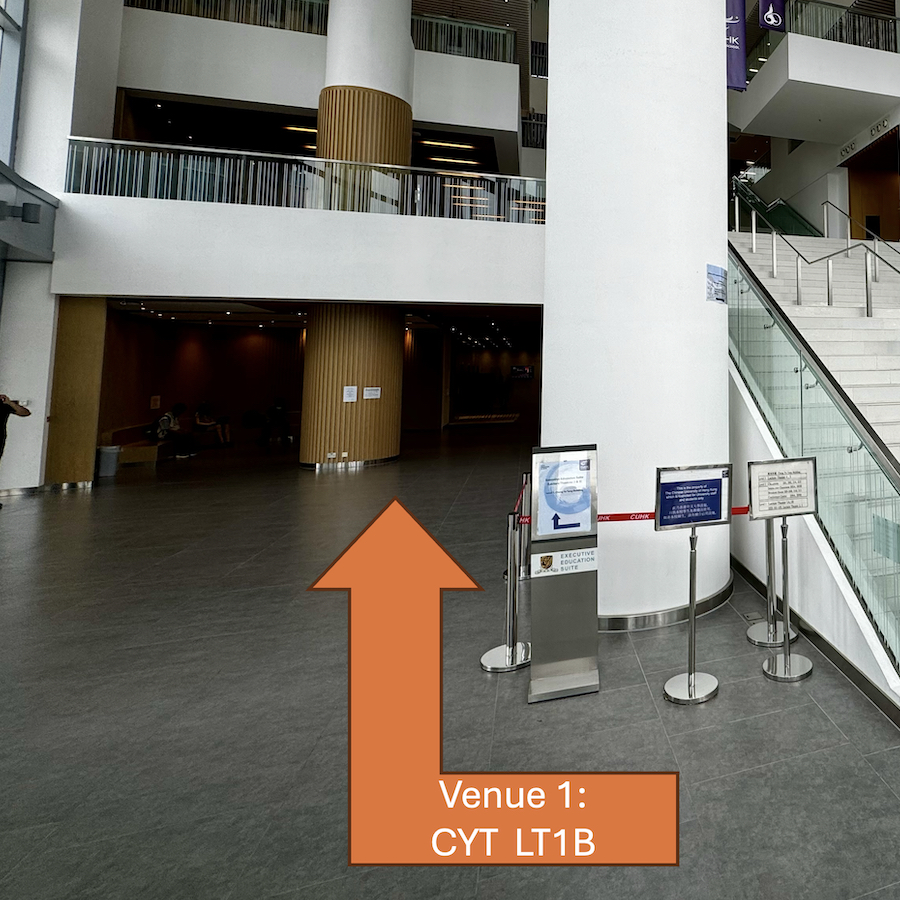
Venue: Room CYT LT1B, Cheng Yu Tung Building, CUHK| August 15 (Morning Session) | |
| 9:00 - 9:15 | Welcome and Opening Speech |
| 9:15 - 10:00 |
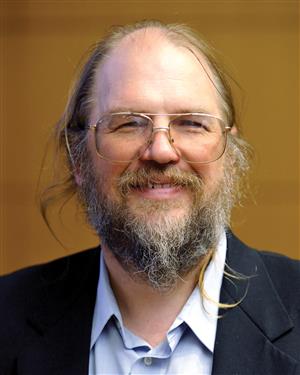 David Forsyth (University of Illinois Urbana-Champaign), Keynote Talk
|
| 10:05 - 10:35 |
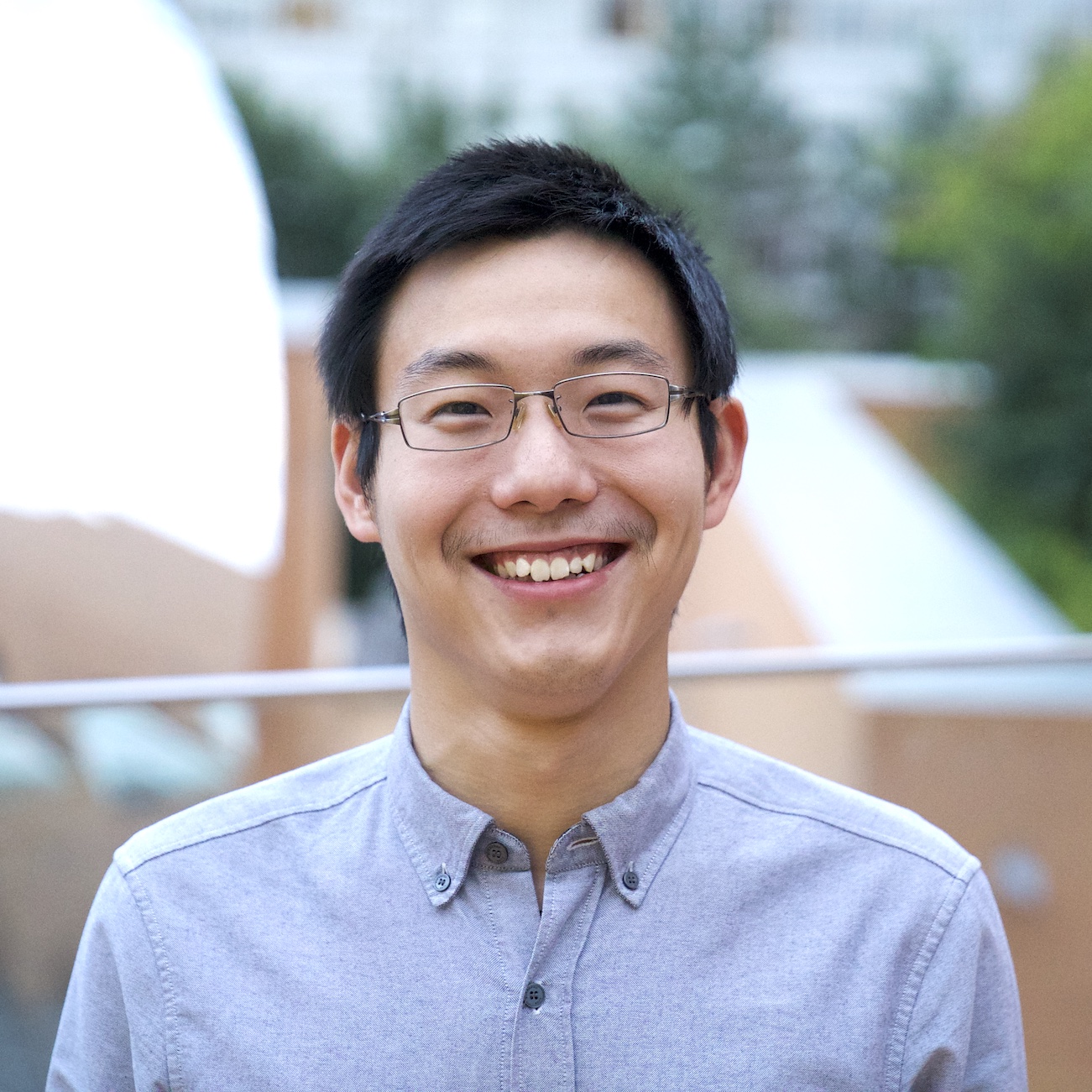 Jiajun Wu (Stanford University), Online Talk
|
| 10:40 - 11:10 |
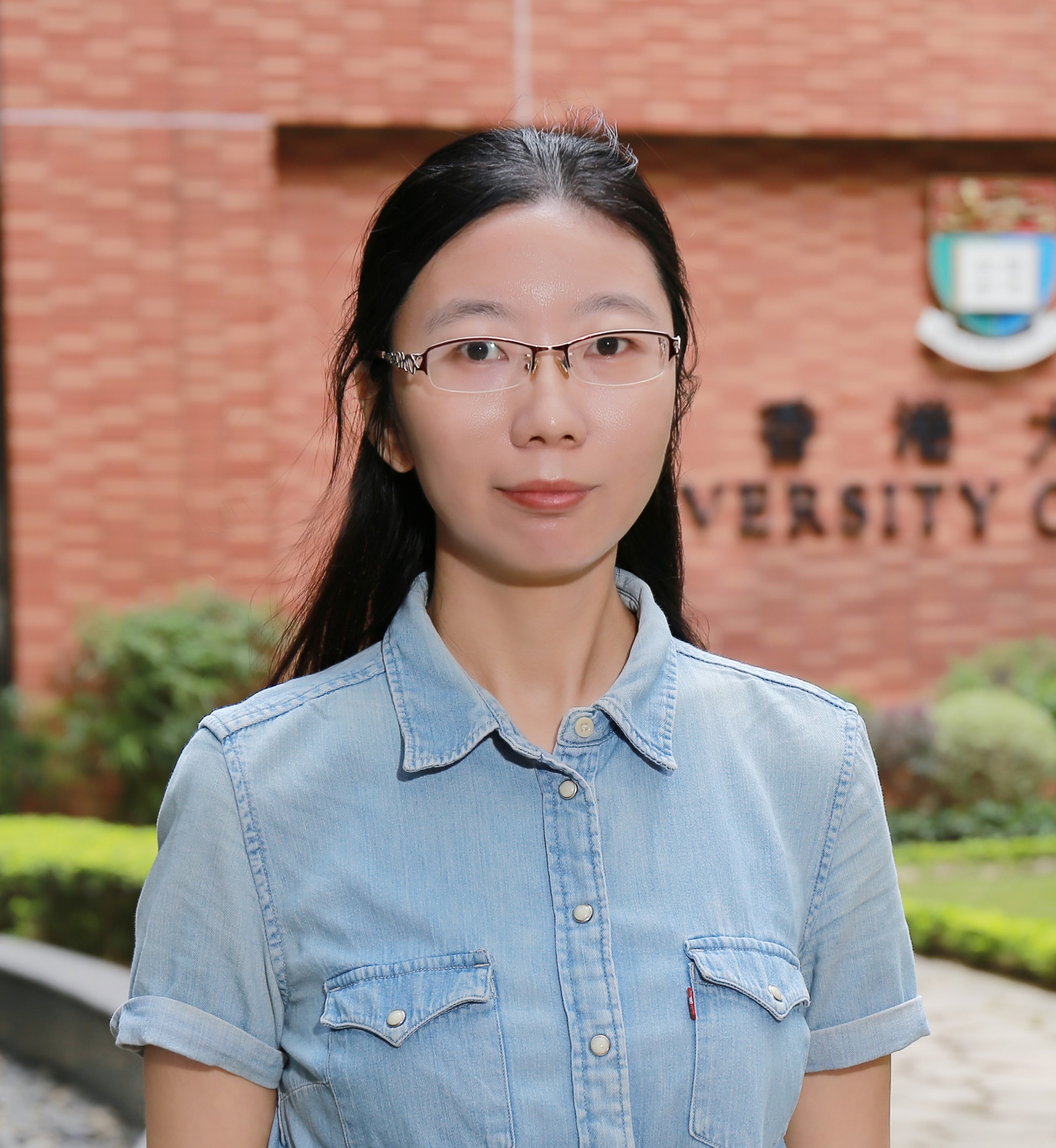 Xiaojuan Qi (The University of Hong Kong)
|
| 11:15 - 11:45 |
 Manling Li (Northwestern University), Online Talk
|
| August 15 (Afternoon Session) | |
| 14:00 - 14:45 |
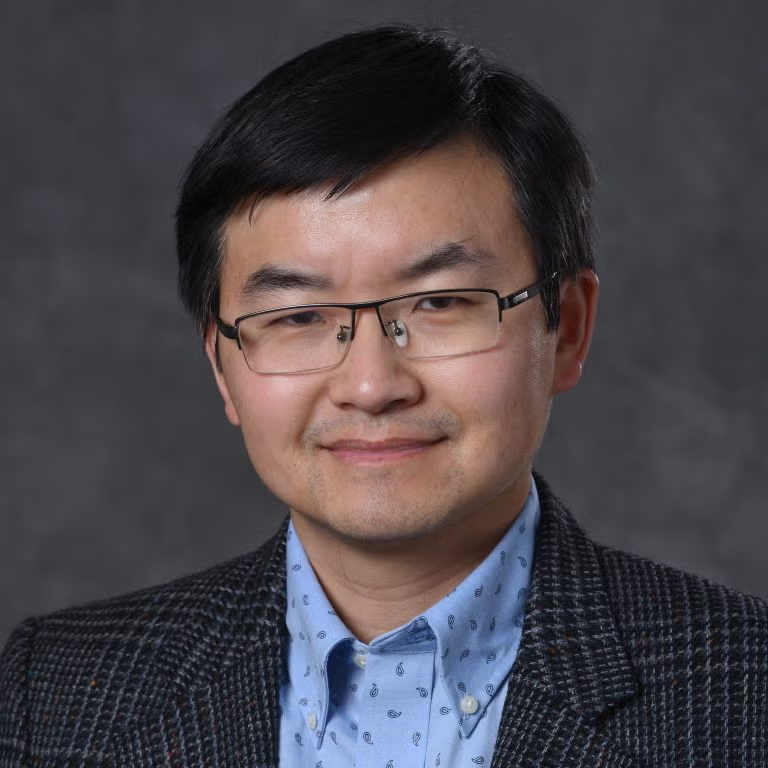 Xiaoming Liu (The University of North Carolina at Chapel Hill), Keynote Talk
|
| 14:50 - 15:20 |
 Alex Schwing (University of Illinois Urbana-Champaign)
|
| 15:25 - 15:55 |
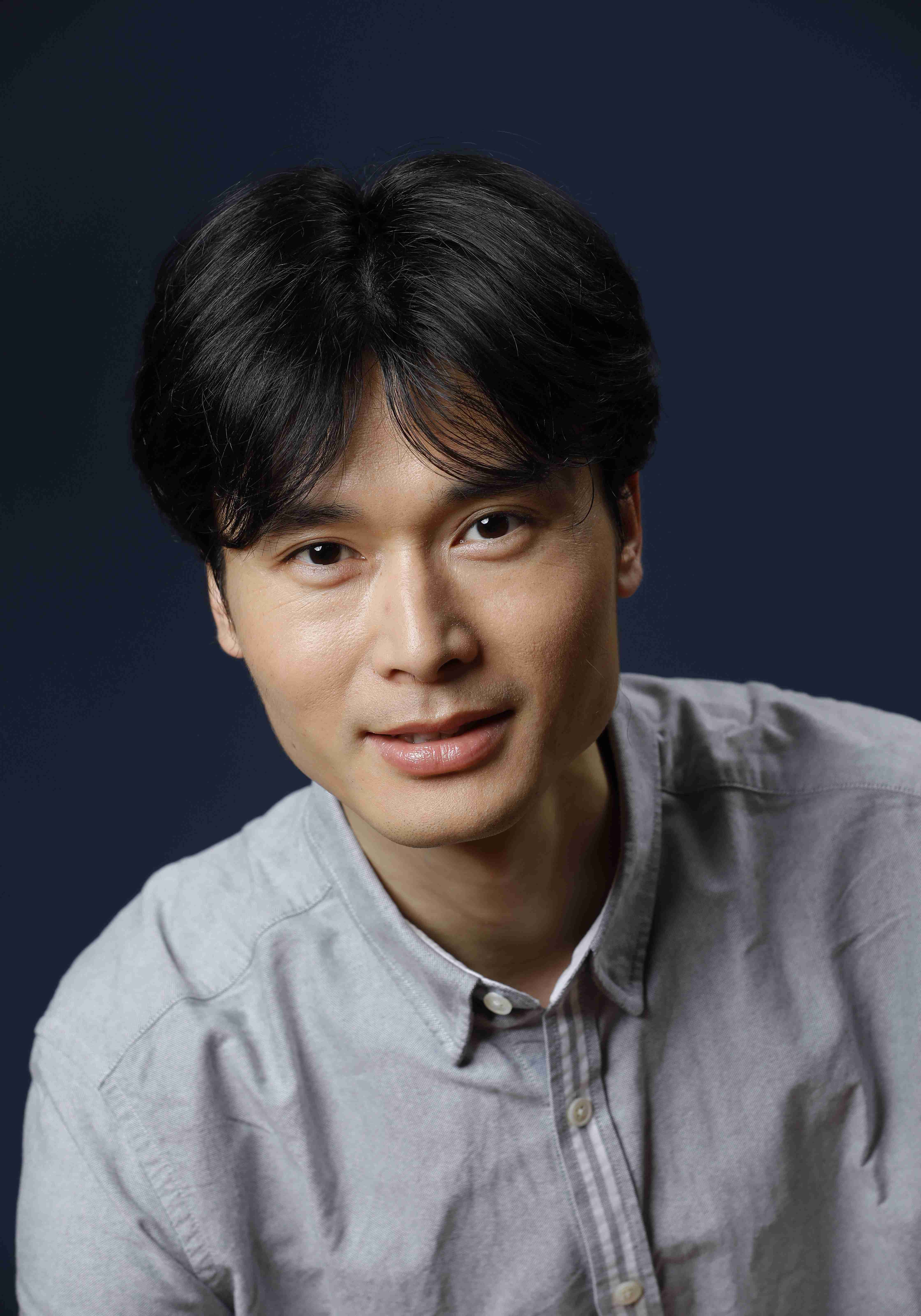 Jiajun Zhang (University of Chinese Academy of Sciences), Online Talk
|
| 16:00 - 16:30 |
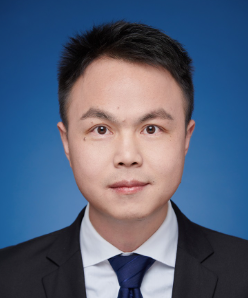 Xinggang Wang (Huazhong University of Science and Technology)
|
| 16:35 - 17:05 |
 David Wipf (The University of Hong Kong)
|
| 17:10 - 17:40 |
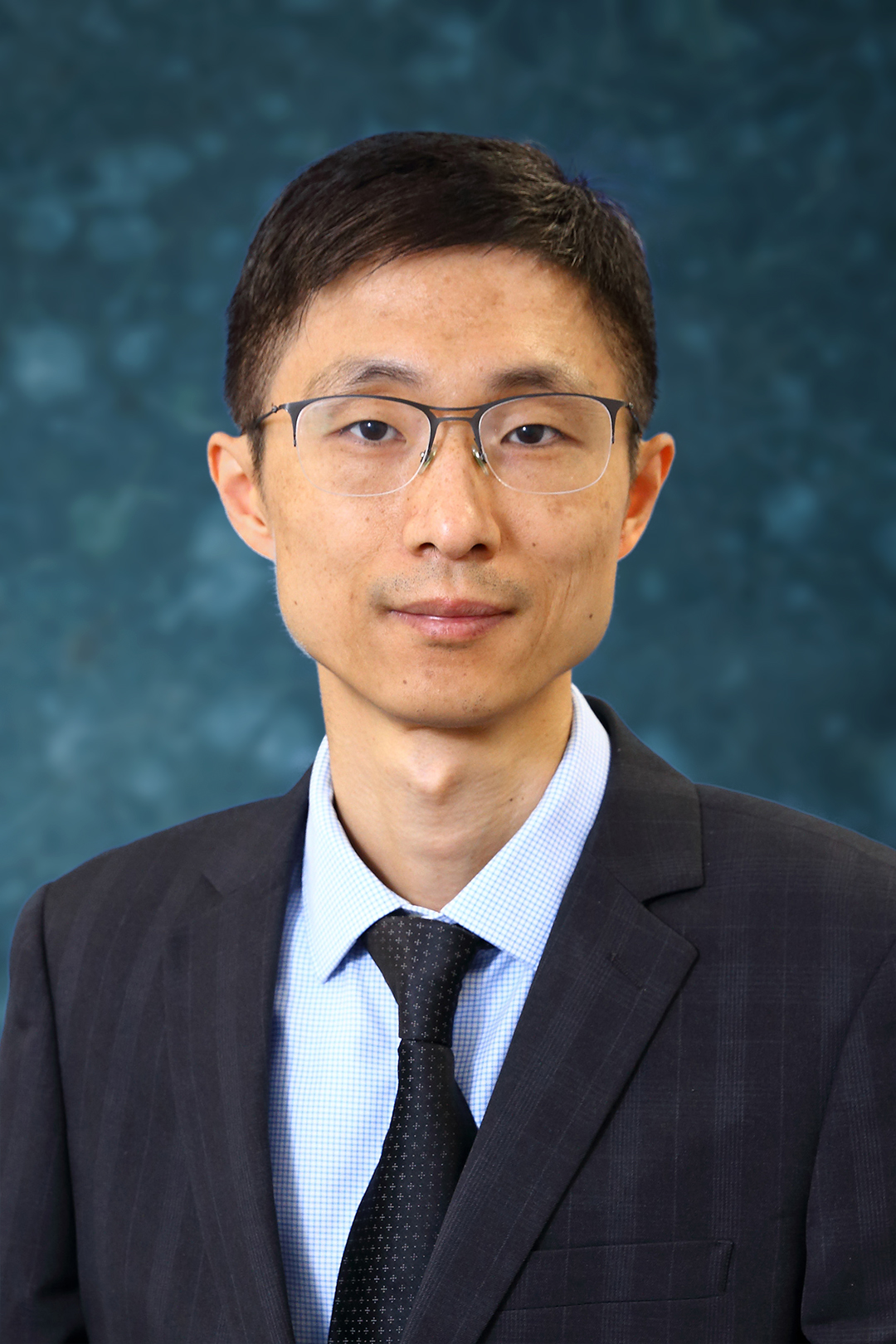 Guoliang Xing (The Chinese University of Hong Kong)
|
| 17:45 - 18:15 | Panel Discussion |
| August 16 (Morning Session) | |
| 9:00 - 9:45 |
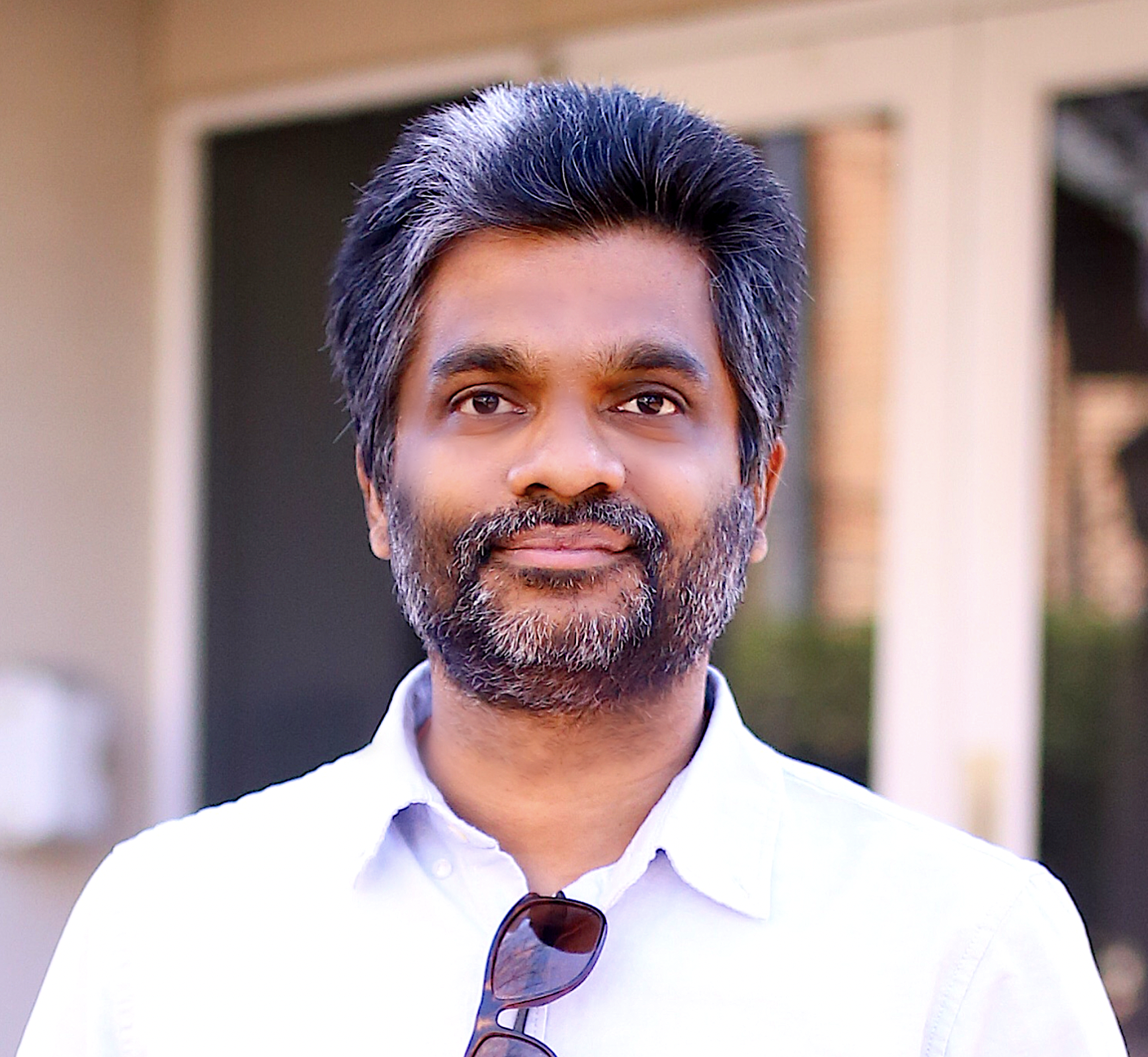 Mohit Bansal (The University of North Carolina at Chapel Hill), Keynote Talk, Online Talk
|
| 9:50 - 10:20 |
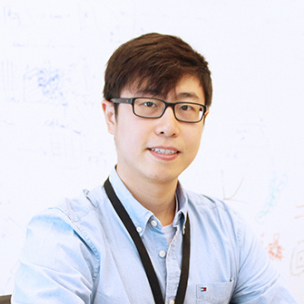 Mengye Ren (New York University), Online Talk
|
| 10:25 - 10:55 |
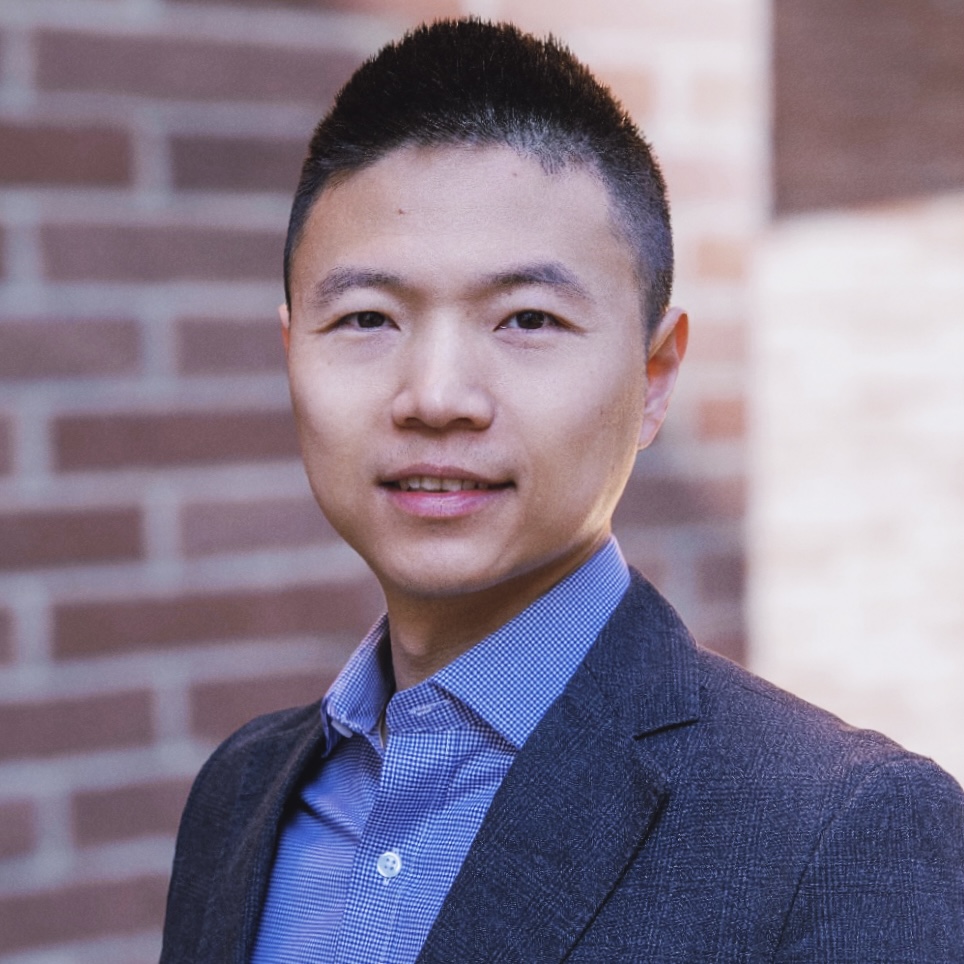 Bolei Zhou (University of California Los Angeles), Online Talk
|
| 11:00 - 11:30 |
 Huaizu Jiang (Northeastern University), Online Talk
|
| 11:35 - 12:05 |
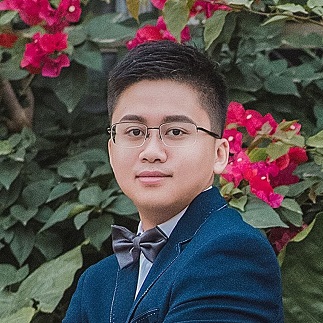 Qifeng Chen (The Hong Kong University of Science and Technology)
|
| August 16 (Afternoon Session) | |
| 14:00 - 14:45 |
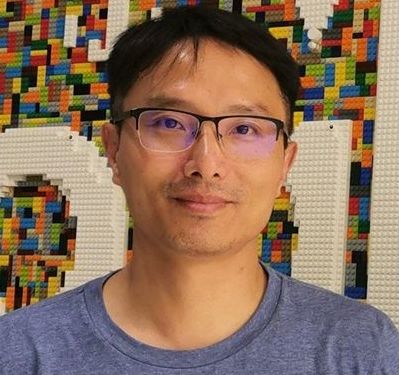 Zhuowen Tu (University of California San Diego), Keynote Talk, Online Talk
|
| 14:50 - 15:20 |
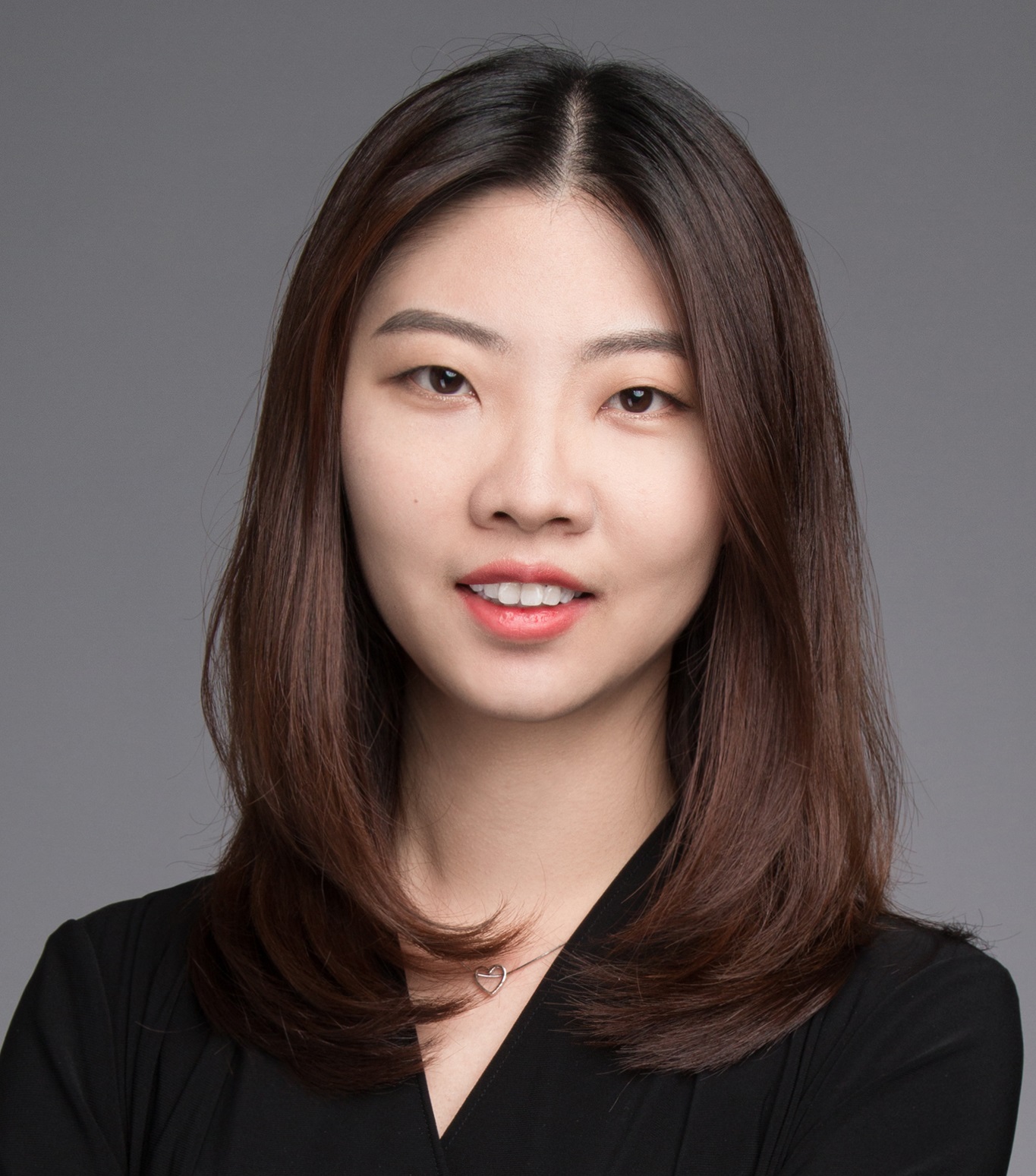 Qi Dou (The Chinese University of Hong Kong)
|
| 15:25 - 15:55 |
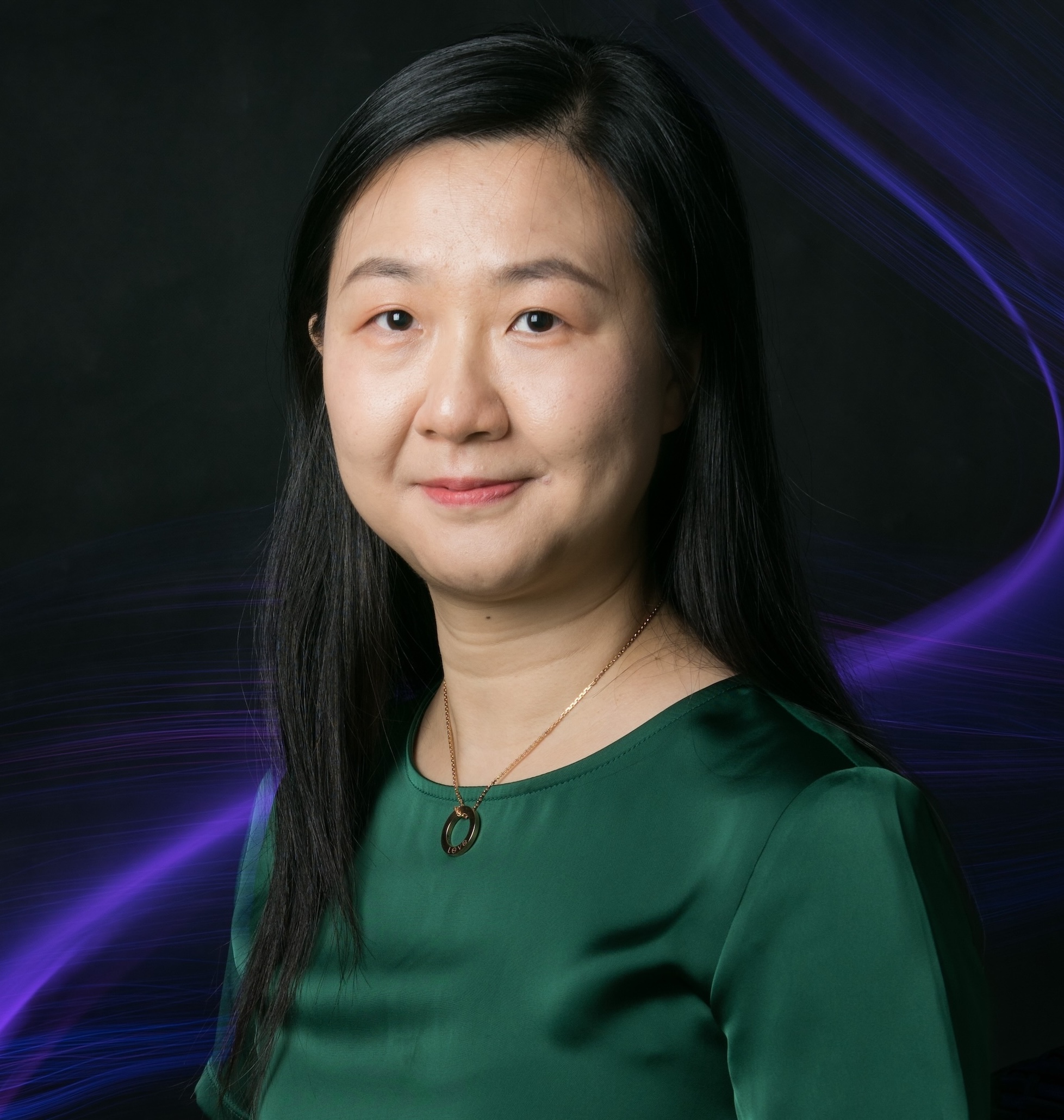 Fei Miao (Zhejiang University), Online Talk
|
| 16:00 - 16:30 |
 Ping Luo (The University of Hong Kong)
|
| 16:35 - 17:05 |
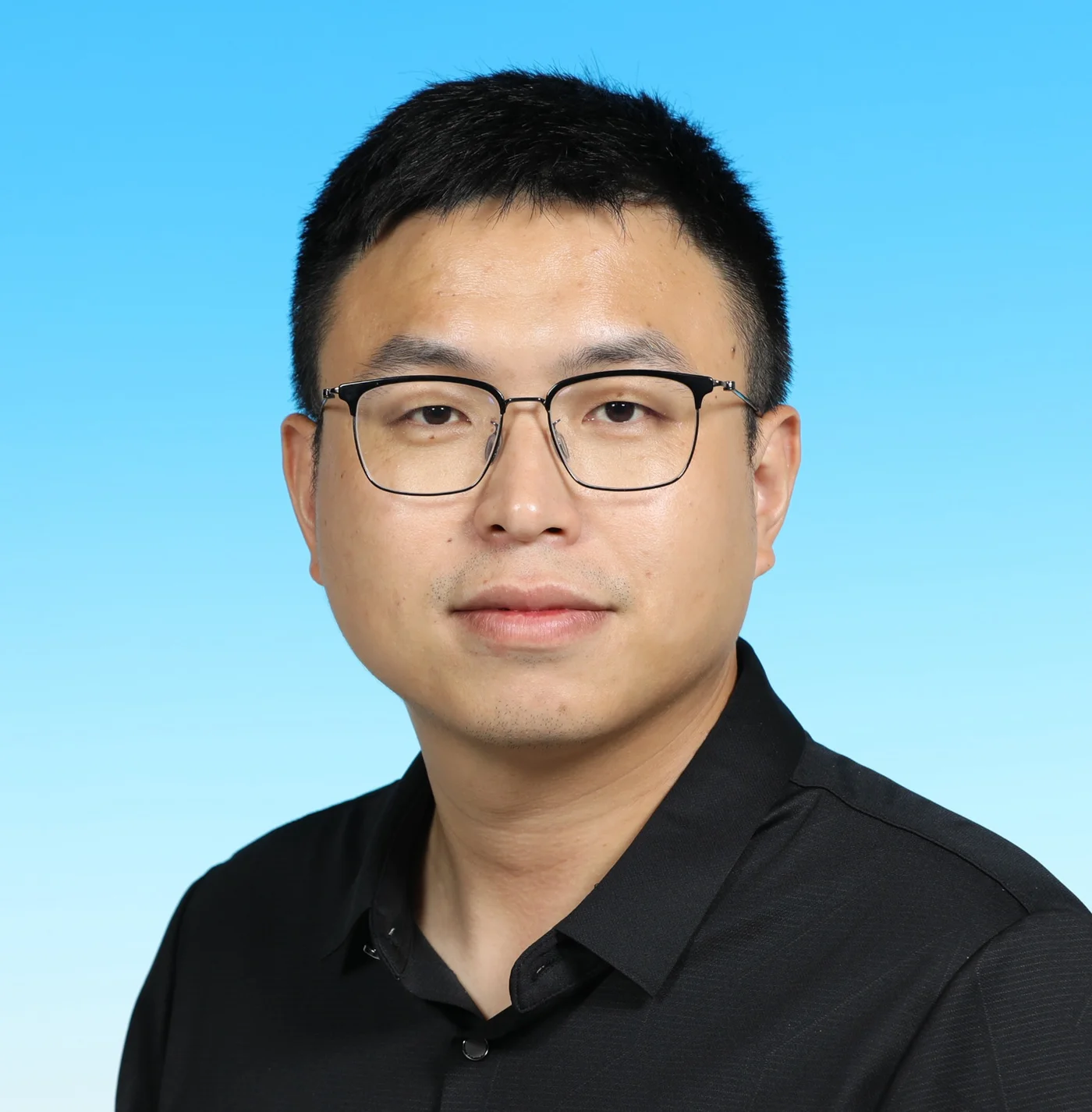 Long Chen (The Hong Kong University of Science and Technology)
|
| 17:10 - 18:00 |
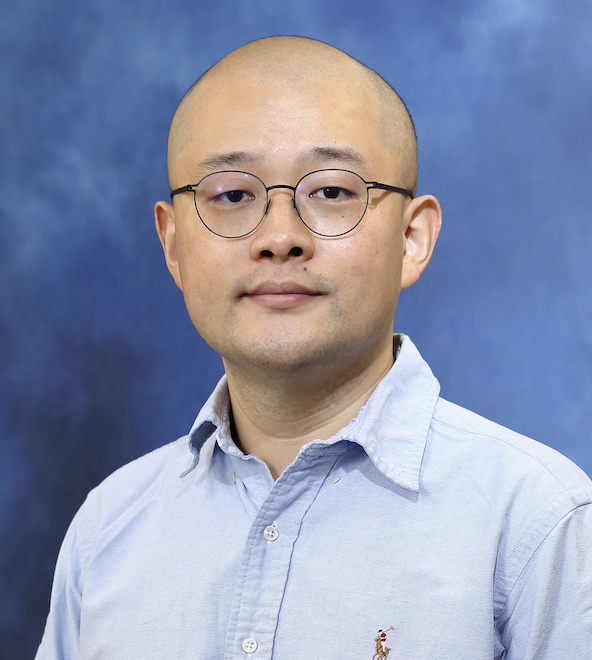 Liwei Wang (The Chinese University of Hong Kong)
|
| 18:05 - 18:25 | Closing Remarks |